
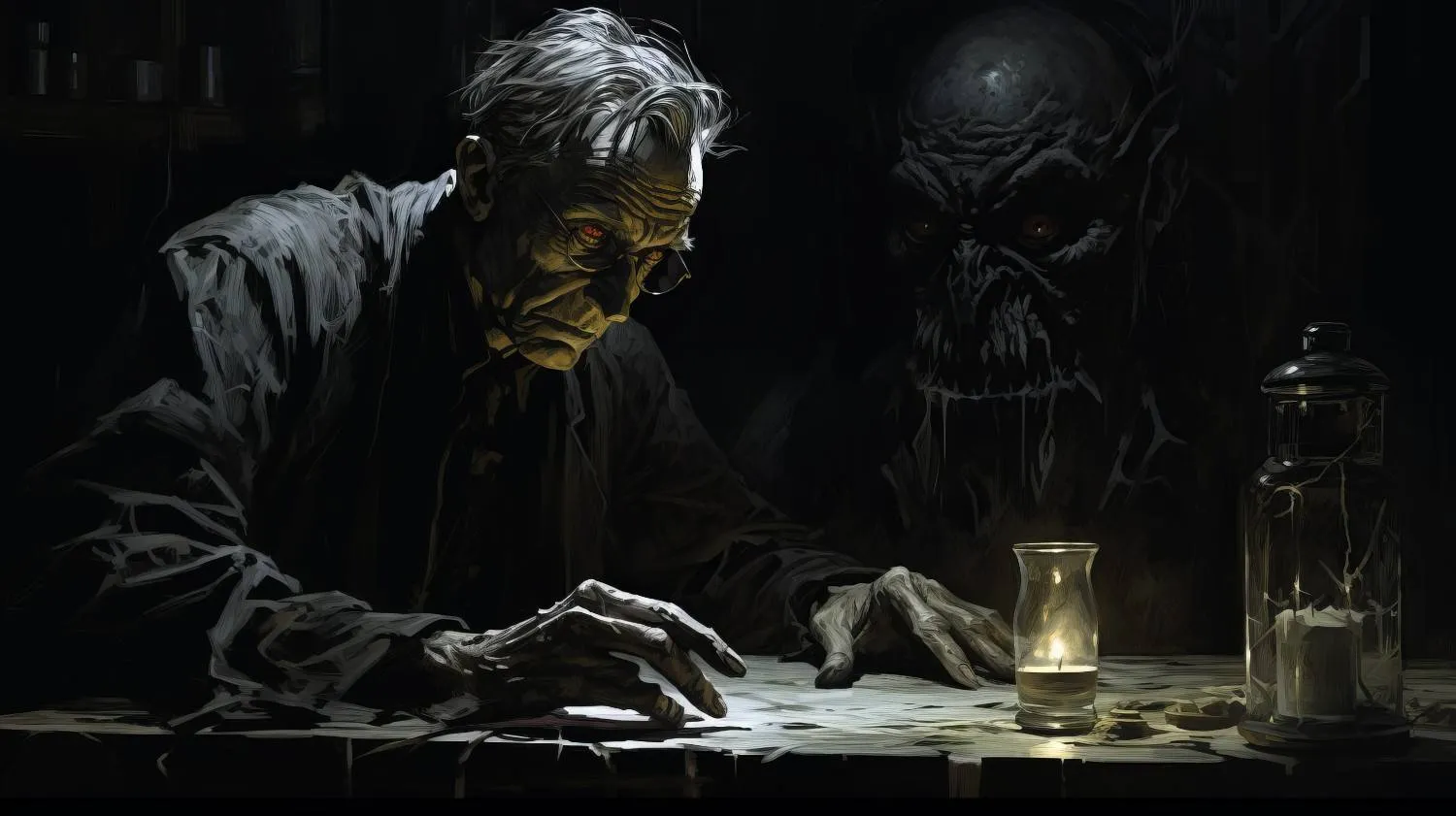
Ghostwriters help authors create terrifying horror manuscripts by translating raw, unsettling ideas into structurally sound, psychologically gripping narratives. While the public-facing author provides the core concepts or personal nightmares, the horror ghostwriter applies technical expertise to manipulate human psychology, orchestrate pacing, and build unbearable tension. This highly collaborative process allows creators who lack formal writing training to publish literature that effectively targets reader vulnerabilities.
Weaponizing Human Psychology
Horror relies heavily on what is left unsaid or unseen. Professional ghostwriters use specific psychological techniques to ensure the manuscript triggers a deep, visceral sense of dread:
- Exploiting Primal Vulnerabilities: Ghostwriters interview clients to unearth their core fears. They then weave those real-world phobias—such as isolation, loss of control, or the uncanny—directly into the character arcs.
- The Rule of Ambiguity: Amateur horror often over-explains the monster or supernatural threat, destroying the mystery. Ghostwriters deliberately withhold information, forcing the reader’s mind to fill in the dark blanks with their own worst fears.
- Visceral Sensory Details: Terror is a physical response. Writers use all five senses to anchor the reader, describing the metallic smell of blood, sudden drops in temperature, or the sticky texture of decay.
Engineering Strategic Pacing and Tension
A terrifying premise can fall flat without exact narrative timing. Ghostwriters systematically structure manuscripts to control reader anxiety:
- The Slow Burn: They drip unease throughout the opening chapters, establishing a deceptive sense of normalcy before subtly introducing supernatural or psychological disruptions.
- Subverting Expectations: Ghostwriters specialize in misdirection. They craft plot twists that break standard genre tropes, catching seasoned horror fans entirely off guard.
- The Push-and-Pull of Relief: True horror requires a contrast between safety and danger. Ghostwriters balance moments of high-intensity panic with brief periods of calm, keeping the reader’s adrenaline fluctuating.
Structuring a Haunted Landscape
Settings in iconic horror function as active, hostile antagonists. Professional ghostwriters construct these spaces with meticulous detail:
- Atmospheric Architecture: Whether it is a decaying gothic estate, an isolated research station, or an oppressive, claustrophobic suburban basement, ghostwriters turn the environment into a psychological cage for the characters.
- Inherent Isolation: They engineer plot mechanics that isolate characters physically or digitally, ensuring that outside help remains entirely out of reach when the terror reaches its climax.
The Collaboration Workflow
The relationship between the author and the ghostwriter moves through distinct, structured stages to keep the author’s authentic voice intact:
| Phase | Description |
| 1. The Brain Dump | The author shares raw concepts, rough outlines, or inspirations via interviews and detailed questionnaires. |
| 2. Architectural Outline | The ghostwriter structures the chapters, maps character development, and identifies where major scares will hit. |
| 3. Collaborative Drafting | The ghostwriter writes in segments, routinely sharing drafts so the author can review the tone and provide feedback. |
| 4. Polishing the Shadows | The final pass optimizes prose density, sharpens dialogue, and maximizes the psychological impact of the ending. |
When developing a horror project, it is useful to consider the following:
- Subgenre: Identifying whether the target is psychological, supernatural, slasher, or body horror helps define the narrative constraints.
- Plot Foundation: Determining if there is a rough plot idea or if the concept is starting from scratch influences the depth of the initial architectural phase.
- Medium: The intended format—such as a novel, short story collection, or screenplay—dictates the structural requirements and pacing of the manuscript.
A horror manuscript ghostwriter in Canada turns an author’s premise, characters, and intended fear into a structured novel written in that author’s voice. Without a fear engine and controlled pacing, a promising idea can become predictable. Therefore, the ghostwriter builds escalating danger, emotional stakes, and a payoff that gives each scare a purpose.
The problem is rarely a shortage of frightening images. Instead, authors struggle to connect them while maintaining tension. As suspense weakens, readers notice the construction. Planned outlining, scene work, and revision provide the solution.
Key Takeaways
- Horror ghostwriters turn raw concepts into scene-by-scene story plans.
- Fear grows from vulnerability, uncertainty, and consequences.
- Authors retain control through briefs, approvals, and revision rounds.
- Written agreements should define ownership, credit, confidentiality, scope, and payment.
- Editing and formatting remain separate production stages after drafting.
How does a horror manuscript ghostwriter in Canada work
A horror ghostwriter develops the book while the named author directs its premise, voice, limits, and final choices. First, both parties define the subgenre, reader, point of view, central threat, and ending. Moreover, the brief records forbidden themes and violence limits.
Next, the writer creates a story spine, which is the chain of decisions and consequences holding the plot together. The outline should identify each revelation, reversal, and unanswered question before prose begins. For instance, Canadian Ghostwriters can discuss the brief, production scope, and authorship goals before a full manuscript is commissioned.
A practical workflow includes the following stages. Each stage needs author approval.
- Concept interview and creative brief
- Character profiles and threat rules
- Chapter outline with turning points
- Sample pages for voice approval
- Draft milestones and feedback
- Final revision against the brief
What makes scary book ghostwriting effective
Effective scary book ghostwriting makes readers fear what a character may lose, not merely what a monster may do. A distinct protagonist gives each threat a personal cost. Consequently, character design comes before shock effects.
A character should act from established strengths, weaknesses, and desires. That principle helps a horror ghostwriter avoid decisions that merely force the plot. A focused Horror Writing Services brief should connect each threat to a believable choice.
| Story element | Weak manuscript choice | Strong ghostwriting choice |
| Character | Generic victim | Person with a need and costly flaw |
| Threat | Random attacks | Rules that readers can learn and fear |
| Pacing | Constant alarm | Pressure, relief, escalation, consequence |
| Reveal | Surprise without setup | Foreshadowing that later becomes clear |
| Ending | Threat stops | Payoff resolves fear and character choice |
How does a ghostwriter build fear without relying on gore
A ghostwriter builds fear through anticipation, restricted information, and consequences before showing harm. Specifically, the sequence should make readers predict danger while hiding its exact form and timing. According to the Horror Writers Association, Mort Castle explains that credible characters make readers care when terrifying events invade ordinary life. However, delay becomes padding unless it adds a clue, deepens a relationship, or narrows the character’s options.
For example, Shirley Jackson’s The Haunting of Hill House makes uncertain perception part of the threat through much of the novel. Similarly, Stephen King’s The Shining ties the Overlook Hotel to Jack Torrance’s weaknesses and family conflict. Both psychological horror and supernatural horror still need human stakes.
The writer can track tension with three questions. What does the character expect, what detail contradicts it, and what decision becomes harder afterward? Therefore, fiction ghostwriting support should be judged by scene structure and voice, not a list of gruesome ideas.
How do authors keep control during collaboration
Authors keep control by approving the brief, outline, sample voice, and revisions. In addition, a style sheet records timeline facts, character details, and threat rules. It prevents continuity errors.
The contract matters as much as the outline. Collaborators should decide credit, copyright registration, responsibility, termination, and dispute handling. Moreover, the agreement should state confidentiality, deliverables, deadlines, payments, and revisions.
Canadian ownership terms require care. The rights transfer should never be left to an invoice or verbal promise. According to Canada’s Justice Laws Website, section 13 of the Copyright Act requires a copyright assignment to be written and signed. This is general information, not legal advice; qualified counsel should review the agreement.
What should an author check before hiring
An author should check genre samples, process clarity, contract terms, communication, and revision boundaries before paying. Specifically, a short paid sample can test voice better than an unrelated portfolio piece. The author should confirm whether research, outlining, rewriting, and submission materials are included.
Watch for promises that a manuscript will become a bestseller or frighten every reader. Fear is subjective, and no horror novel service can guarantee sales or publication. Instead, a credible provider defines deliverables and explains where drafting ends and a separate editing stage begins.
The strongest screening questions appear below. Clear answers reduce avoidable disputes.
- Has the writer completed work in the intended horror subgenre?
- Will the author approve an outline and sample before full drafting?
- How are conflicting notes and extra revisions handled?
- Who owns drafts, research notes, and the final manuscript?
- What happens if either party ends the project early?
What happens after the horror manuscript is drafted
After drafting, the manuscript needs separate editorial and production checks before release. Developmental editing tests plot logic, character arcs, pacing, and payoff. Then, copyediting corrects sentence-level errors, while proofreading checks the laid-out text.
Formatting is another task. According to Amazon KDP, Word users should apply Heading 1 to chapter titles and use paragraph settings rather than tabs for first-line indents. In addition, KDP advises previewing the file before upload.
Drafting alone does not make a book publication-ready. Consequently, the contract should list editing, formatting, and publishing as separate stages.
FAQs
How much input does an author give a horror ghostwriter
An author can give anything from a one-sentence premise to a detailed scene outline. However, the ghostwriter still needs clear decisions about subgenre, audience, point of view, boundaries, and ending. Regular milestone approvals keep the author involved without requiring line-by-line supervision of every chapter.
Can a horror ghostwriter match an author’s voice
Yes, a skilled ghostwriter can build a working voice from interviews, sample pages, vocabulary preferences, and approved scenes. First, the writer should submit a short sample. Then, the author can correct tone, sentence rhythm, humor, and intensity before that voice is applied to the full manuscript.
Does a ghostwriter receive credit on the book
Not necessarily. Credit may be absent, acknowledged privately, or shown as “with” another writer, depending on the agreement. Therefore, attribution should never be assumed. Parties should decide credit in the collaboration agreement and match related publishing documents to that decision.
Who owns a ghostwritten horror manuscript in Canada
Ownership depends on the written agreement and applicable law. According to Canada’s Justice Laws Website, the author is generally the first copyright owner, while a valid assignment must be written and signed. Therefore, the contract must match the intended ownership. Legal counsel should review the final terms.
Can ghostwriting guarantee that a horror novel will sell
No, ghostwriting cannot guarantee sales or reader response. A capable writer can improve structure, consistency, tension, and prose, but market timing, cover positioning, distribution, reviews, and promotion also affect a release. Therefore, authors should judge the service by defined work and approved milestones, not revenue promises.
What can authors learn from Stephen King
Before commissioning, authors can study a Stephen King horror analysis to see how character pressure and controlled revelation support long-form fear. The analysis gives both parties clearer language for the target experience.
Conclusion
A horror manuscript ghostwriter in Canada helps an author turn a frightening concept into a coherent book through discovery, outlining, voice matching, controlled suspense, and revision. However, a sound process also protects authorship decisions with approvals and clear contracts. Canadian Ghostwriters can help an author define the right horror project and choose a suitable next step.