
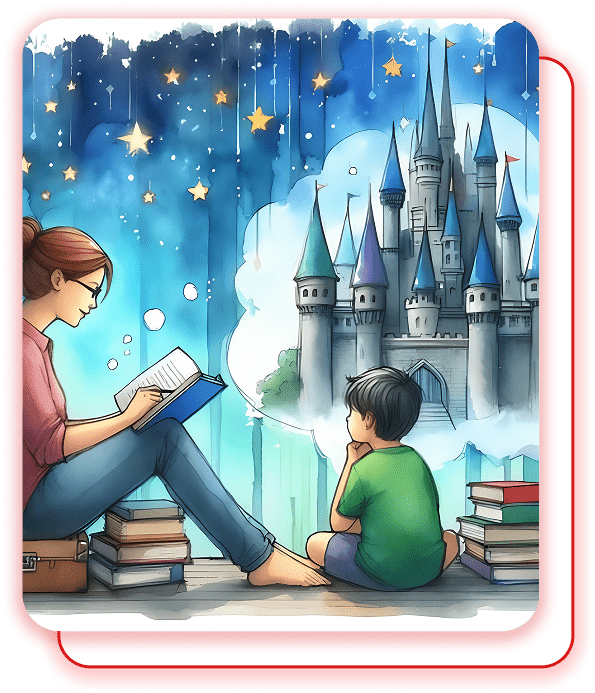

Make your book stand out with beautiful book illustration services.

A great illustration can completely change your book. No matter if you’re writing a children’s story or a novel, professional illustrations make your book memorable. We’re here to help bring your ideas to life.

Get In Touch !

A professional book illustration company creating visuals that make your book appealing.

At Canadian Ghostwriters, we create book illustrations that connect with your readers. Our team brings creativity, skill, and attention to detail to every project. We make sure your illustrations are as unique as your story. You can count on us to help your book stand out with visuals readers will remember.

The Power of Book Illustration in Storytelling

Book illustrations are more than just pictures. They help pull readers into the world you are creating. A good illustration not only goes with the text but also shows feelings and moods. It can also share ideas that words alone might miss.

In today’s busy book market, unique and eye-catching illustrations can help your book get noticed. Whether you are making a children’s picture book or a school textbook, good illustrations tell stories that draw readers in.

What are Half-page Illustrations?

A half-page illustration in a book occupies about half the page and pairs with the text. Text may be placed above or below the words. These pictures add meaning and emotion while showing key moments in the story. They are often small scenes that balance pictures with the story. It fits between small spot illustrations and full-page pictures.

What are Full Page Illustrations?

A full-page illustration is a large, detailed picture that fills a book page. This enhances the story with strong visuals. Often used in children’s books, they show exciting scenes, important moments, or detailed images. These pictures can start chapters or show big feelings. They stretch from one side of the page to the other. Sometimes, leaving room for text and help set the book's mood and style.

What are Two-page Spread Illustrations?

A two-page spread is a picture or layout that spans two pages, creating one large image. It is great for wide scenes or dramatic pictures and pulls readers in with big, eye-catching art. Artists need to watch out for the fold in the middle so details aren't lost. Two-page spreads are often used in children's books, magazines, and ads to make a strong impression. Sometimes mixing pictures and words is the best effect.

Antique Book Illustrations for Every Genre

Whether you are making a historical novel or a fantasy adventure, illustrations give your work a classic feel. We offer a wide range of styles, from watercolor painting to detailed woodcuts. We bring the look of old-time illustration to your book, adding a vintage touch.

What’s the Secret to Creating Stunning   Book Illustrations That Truly Reflect Your Story?

The right illustration style connects with your readers and elevates your narrative. Would you like to see how a professional illustrator can bring your book’s characters and themes to life?

TYPES OF BOOK ILLUSTRATIONS

Book Cover Illustrations

A book cover illustration conveys a book’s theme, mood, and story through drawing or digital art. It grabs the reader’s attention with designs made for the book’s type. The process includes sketching, testing colors, ensuring there is room for text, and helping tell the story with pictures.

Children's book illustration

Children’s book illustration helps tell stories for young readers, from picture books to young adult novels. Using styles like cartoons, watercolor, or digital art, these pictures spark imagination and help kids feel connected to the story. They follow the story, with characters that look the same throughout and designs that go with the words to make the story stronger.

Textbook Illustrations

Textbook illustrations make hard ideas easier to understand. They help students learn by using pictures, such as diagrams, charts, and photos. These pictures explain ideas, keep students interested, and clearly illustrate concepts in subjects like science and history. They can be maps, graphs, or drawings, and are found in both printed and digital books.

Picture Book Illustrations

Picture book illustration tells a story through pictures that complement or enhance the words, usually for children. These pictures show the characters, set the place, and create the mood, often over 32 pages. Important parts are characters that look the same throughout, pictures that follow the story, and images that keep kids interested and help them understand feelings and ideas through art.

Training manual illustrations

Training manual illustrations, such as diagrams, screenshots, and simple charts. It makes complex information easier to understand and explain steps in training guides. They break long blocks of text into shorter sections, help people understand better, and point out safety tips. Main types include technical diagrams, flowcharts, and icons. These pictures keep people interested, help them learn, ensure instructions are correct, and make things easier by providing clear, step-by-step guidance.

Comic Book Illustrations

Comic book illustration uses pictures and words together to tell a story, showing action, time, and story flow in panels. Artists turn scripts into lively pictures, focusing on how characters look, backgrounds, and lighting. Making comics often means working with writers, sketch artists, inkers, colorists, and letterers, with styles from superhero to manga to realistic. Important skills include drawing people, showing depth, and keeping characters consistent.

FAQ’s

What are book illustration services, and why should I hire a professional illustrator?

Book illustration services add high-quality artwork to your manuscript. They provide custom images that match your story’s themes. Professional illustrators help bring your vision to life and make sure your book connects with readers visually.

Children’s book illustration styles can be playful, whimsical, detailed, or realistic. Popular styles include watercolor, digital art, and mixed media. The style should match the book’s tone and age group to make reading more engaging.

Textbook illustrations help explain complex ideas, such as scientific diagrams and anatomy charts. These visuals make learning easier and more interesting, especially for people who learn best by seeing.

Publishers should look for illustrators who are creative, have experience in the book’s genre, and can create visuals that fit the story. A strong portfolio, good communication, and a reliable work ethic are also important.

Digital art created with software like Adobe Illustrator is flexible, easy to edit, and has a modern look. Traditional media, like watercolor, gives illustrations a more natural, hand-made feel and adds depth and texture.

Scroll to Top

Book An Appointment

Book Now