
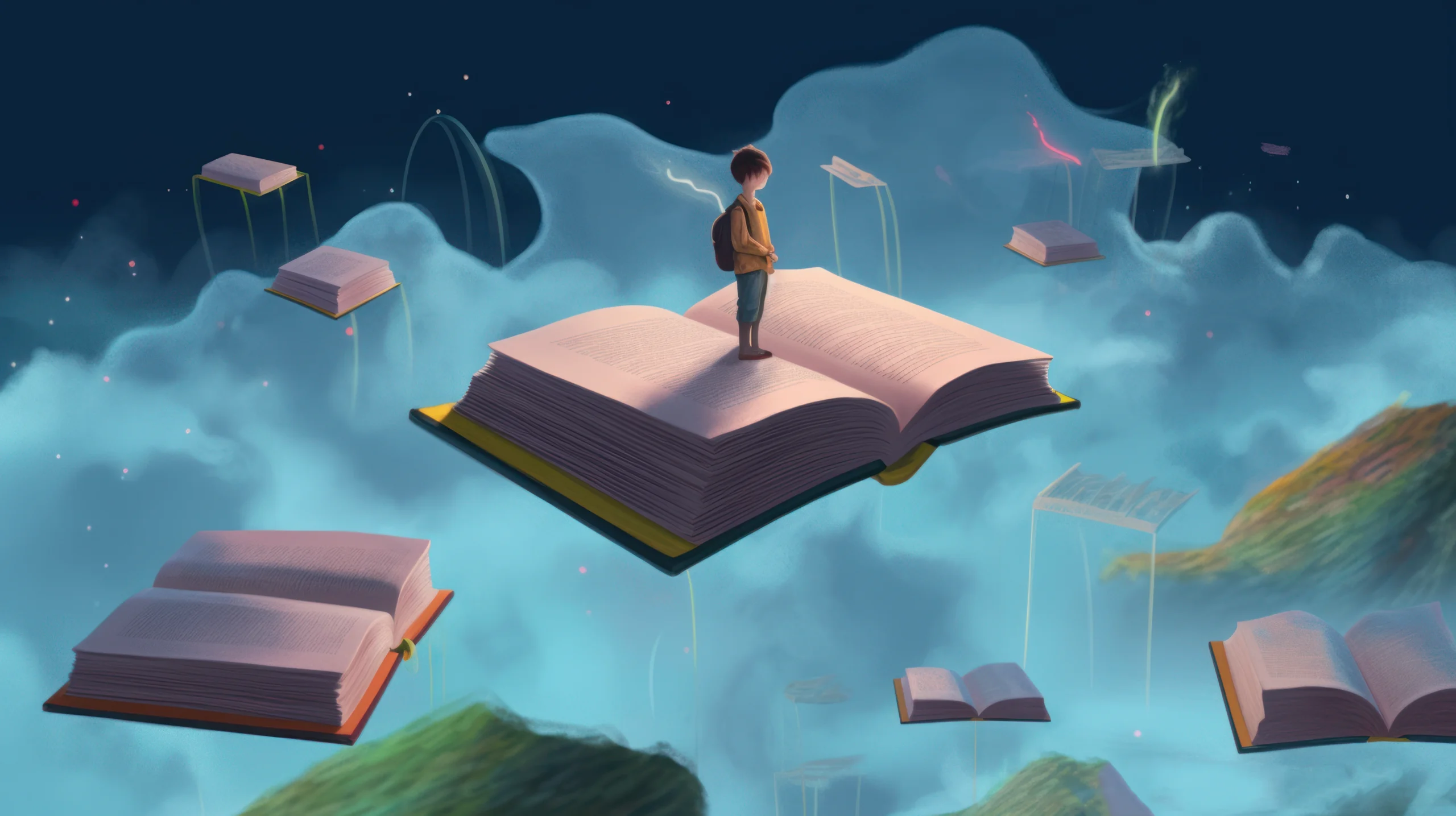
Choosing the right illustration style is like picking a movie soundtrack; it sets the mood before the story begins.
- Watercolor = Soft, dreamy, and gentle.
- Cartoon = Bold, fun, and energetic.
- Realistic = Lifelike, detailed, and serious.
Watercolor: The Dreamy Choice
The Vibe: Tender, emotional, and timeless.
Think of soft colors that blend into each other, much like real water paints on textured paper.
Best for:
- Bedtime stories.
- Fairy tales and quiet adventures.
- Stories about feelings or nature.
Real-world Example: Many classic picture books use this to create a calm, nostalgic feeling that helps children relax before sleep.
Cartoon: The Fun Choice
The Vibe: High-energy, entertaining, and silly.
Cartoons use bright colors and exaggerated features (like big eyes or funny shapes) to make readers laugh and stay engaged.
Best for:
- Comedy and funny situations.
- Early readers and active children.
- High-action plots.
Real-world Example: Books like Captain Underpants rely heavily on bold, comic-style cartoons to keep the action fast and exciting.
Realistic: The Tangible Choice
The Vibe: Detailed, lifelike, and emotional.
Realistic art shows characters and places exactly as they look in the real world. It helps readers connect deeply with the authenticity of a scene.
Best for:
- Educational or historical books.
- Biographies.
- Serious stories where you want the reader to feel the exact environment.
Real-world Example: A book teaching kids about sea animals might use realistic drawings so they can learn exactly what a whale looks like in the wild.
How to Match the Style to Your Story
Answer these quick questions to find your perfect match:
- Who is the audience? Toddlers love simple, bold cartoons. Older kids might prefer the details of a realistic painting or graphic novel.
- What is the mood? A sad or gentle story needs soft colors. A funny story needs bright, bouncing characters.
- What is the genre? Magic and fantasy fit perfectly with dreamy watercolors, while a mystery might use the shadows and clean lines of comics.
Matching illustration style to story means choosing art that supports the plot, mood, genre, and reader rather than following a trend. A poor match can weaken serious scenes or make a playful story feel stiff. Therefore, the right style should express the book’s emotional promise from the first page.
Key Takeaways
- Watercolor suits gentle, reflective, nature-based, and nostalgic stories.
- Cartoon art suits humor, action, and expressive characters.
- Realistic art suits history, science, suspense, and detail-led settings.
- Reader age, genre, format, and printing needs should guide the choice.
- A character sheet and test spread can reveal problems before production.
Why does matching illustration style to story matter
The style should help readers understand character, setting, mood, and information at a glance. According to the Association for Library Service to Children, Caldecott judging considers whether an illustration style suits the story, theme, or concept and how well the pictures present plot, characters, setting, mood, and information.
In practice, a mismatch appears quickly. For example, a soft bedtime story may lose warmth under hard shadows, while a fast comic adventure may feel slow when every background receives detailed realism.
Authors can reduce that risk by discussing tone and visual references with book illustration services before approving character designs. Moreover, the illustrator should receive the full manuscript because pacing and emotional changes affect every image.
When does watercolor fit a story best
Watercolor fits best when a story needs softness, natural texture, changing light, or a sense of memory. Watercolor vs cartoon illustration is mainly a choice between atmosphere and graphic immediacy. It often fits family stories, quiet fantasy, rural settings, faith-based books, and reflective picture books.
Beatrix Potter is a useful reference because her art joined close observation of nature with imaginative storytelling. According to The Morgan Library & Museum, that blend shaped her children’s books. Therefore, watercolor can feel believable without losing charm.
However, pale washes may reproduce poorly when contrast is too low, and small details can disappear at a reduced trim size. As a result, the illustrator should test dark values, skin tones, and focal details in a printed proof.
When is cartoon illustration the stronger choice
Cartoon illustration is strongest when movement, humor, and facial expression carry the story. Simplified shapes help readers recognize characters quickly, while exaggerated poses make comedy and conflict clear. Therefore, cartoons often suit early readers, graphic novels, school stories, and energetic adventures.
Dav Pilkey’s Dog Man and Captain Underpants books show how direct drawing and recurring visual jokes support fast reading. According to Scholastic, Pilkey has combined comics, photography, painting, poetry, clay figures, and other media in visual storytelling. His work also shows that cartoon art can carry serious emotions.
For action-led fiction, Fiction Ghostwriting Services can help align manuscript pacing with visual beats. Specifically, punch lines, reveals, page turns, and reaction shots should be planned together.
When does realistic book illustration work best
Realistic book illustration works best when accuracy, tension, place, or historical detail matters. It can support biography, wildlife, science, mature fantasy, suspense, and stories where readers must study objects or environments closely.
Chris Van Allsburg offers a clear example. Reading Rockets describes his illustrations as highly realistic, while books such as Jumanji place impossible events inside familiar settings. Consequently, the realistic treatment makes the fantasy feel immediate because the world appears credible.
That said, realism requires consistent references for clothing, architecture, anatomy, and lighting. Moreover, excessive detail can compete with the main action, so every scene still needs a clear focal point.
How do watercolor cartoon and realistic styles compare
The best choice depends on what the reader must feel and notice first. Therefore, the table compares each style by story function rather than personal taste.
| Style | Strongest qualities | Good genre matches | Main caution |
| Watercolor | Mood, softness, natural texture | Bedtime, nature, faith, family, gentle fantasy | Light values may lose clarity in print |
| Cartoon | Humor, movement, expression | Comedy, school stories, action, graphic fiction | Exaggeration may weaken a solemn tone |
| Realistic | Accuracy, tension, setting detail | History, biography, science, suspense, mature fantasy | More reference work and revision |
A cover may use a bolder version of the interior style because it must remain readable at thumbnail size. Therefore, Book Cover Design Services should receive the approved character palette and interior samples rather than begin from an unrelated direction.
How can an author choose an illustration style for a genre
The right illustration style for your genre can be chosen through four practical tests. First, the author should identify the dominant emotion. Then, the illustrator should decide how much information each image must carry.
- Write three mood words, such as calm, comic, eerie, or hopeful.
- Name the primary reader and likely reading format.
- Select two or three references for technique, not imitation.
- Commission one character sheet and one finished test spread.
For instance, mature romance may need restrained realism or elegant watercolor rather than childlike exaggeration. Meanwhile, horror may use realism for dread, rough ink for instability, or cartoon art for comic horror. The genre label alone does not settle the choice; the intended emotional effect does.
What should an author prepare before hiring an illustrator
A useful illustration brief should define the audience, trim size, page count, key scenes, character traits, setting references, and required files. In addition, the author should mark scenes that need a spot image, full page, or double-page spread.
Production planning matters because art must leave room for text, gutters, bleed, and safe margins. Therefore, Book Formatting Services should be considered before final art is cropped. A strong scene can still fail if an important face falls into the gutter or text sits over a busy background.
FAQs
Is watercolor better than cartoon art for a children’s book
Watercolor is better when the story depends on softness, nature, memory, or a calm reading experience. Cartoon art is better when humor, action, and strong expressions matter more. Therefore, the choice should follow the story’s emotional pace and reader age rather than a general rule.
Can realistic illustration work in fantasy
Realistic illustration can work well in fantasy because credible anatomy, light, and settings make impossible events feel present. For example, detailed rooms or landscapes can ground magical creatures. However, the illustrator should control detail so readers notice the main action before studying the background.
Which illustration style is best for older readers
Older readers often respond well to realistic, painterly, graphic, or restrained mixed-media art, but age alone does not decide the style. The genre and tone matter more. A mature comedy may still use cartoons, while a reflective memoir may use watercolor, ink, collage, or realistic portrait work.
Should the cover match the interior illustration style
The cover should usually share the interior’s characters, palette, and emotional tone, although it may use stronger contrast and simpler composition. This connection sets an honest expectation for the reader. In contrast, an unrelated cover can attract the wrong audience or make the interior feel inconsistent.
How many samples should an author request before approval
One character sheet and one finished spread are usually enough for an early style test when they include a main character, setting, lighting, and text placement. Additionally, a second sample may help when the story shifts between quiet and action scenes. Full production should begin only after those tests are approved.
Before selecting a final direction, authors can compare more techniques in The Most Popular Book Illustration Styles in 2026 and How to Choose Yours. That wider review helps separate medium, rendering style, and genre fit before the brief reaches an illustrator.
Conclusion
Successful matching illustration style to story starts with mood, reader needs, genre, and visual function. Watercolor supports atmosphere, cartoons support speed and expression, and realism supports accuracy and tension. Finally, Canadian Ghostwriters can help authors shape the manuscript and visual direction so the finished book feels consistent from cover to final page.