
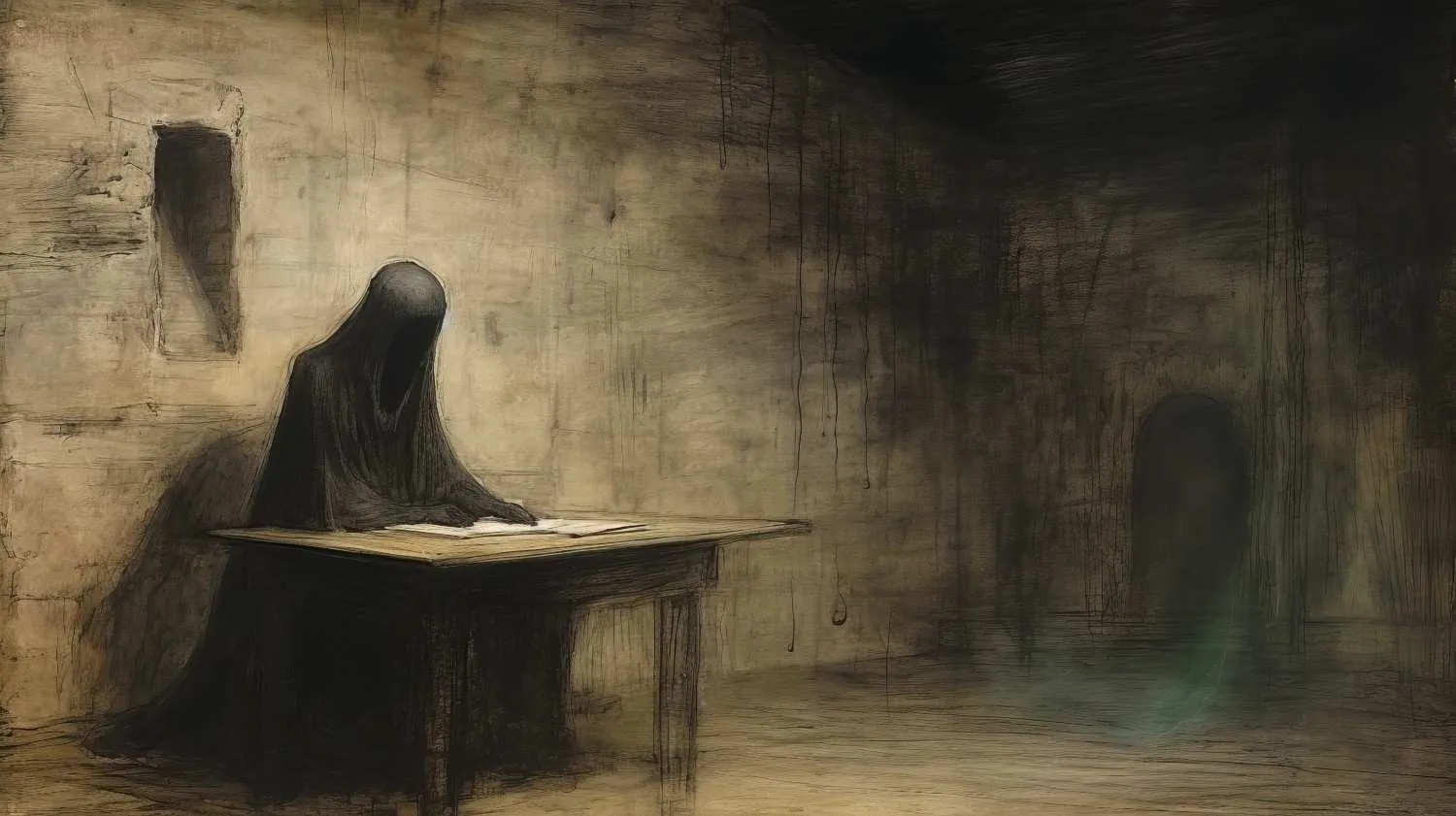
Horror fiction is a storytelling genre designed to elicit fear, dread, or disgust in readers by exploring dark themes, monsters, or psychological terror. To write a scary book that sells, tap into primal fears, build deep tension, create flawed characters, and target active horror subgenres with strong market demand.
What is Horror Fiction?
- Core Goal: Evoke negative emotions like fear, shock, and unease for entertainment.
- Key Elements: The unknown, vulnerability, dread, and a disruption of the normal world.
- Common Subgenres: Psychological, supernatural, cosmic, body horror, and slasher.
How to Write a Scary Book
- Find a Primal Fear: Focus on universal anxieties like death, isolation, loss of control, or the monstrous in everyday life.
- Build Slow Tension: Start with small, unsettling events. Do not reveal the monster or the threat too soon.
- Make Characters Vulnerable: Give readers someone to care about. Raise the stakes so failure means death or worse.
- Use Sensory Details: Describe sights, smells, sounds, and textures that feel cold, wet, sharp, or rotten.
How to Make it Sell
- Know the Market: Read top bestsellers in your chosen subgenre to see what modern readers expect.
- Design a Striking Cover: Horror covers need bold, moody visuals and clear typography that grab attention at a tiny thumbnail size.
- Write a Gripping Blurb: Hook the reader in the first sentence with a high-stakes conflict or a creepy question.
- Launch to Fans: Build an email list and connect with horror book reviewers before your book goes on sale.
Horror fiction is storytelling designed to create fear, dread, or unease through supernatural or human threats. However, horror fiction writing in Canada often stalls when a frightening idea lacks a vulnerable character and rising consequences. As a result, a scary novel may feel repetitive; a fear-led premise, disciplined escalation, and clear market position solve that problem.
Key Takeaways
- A useful horror genre definition centers on the reader’s emotional response.
- Strong horror book writing joins dread, character stakes, and controlled revelation.
- Subgenre choice shapes the threat, pacing, cover, and sales copy.
- Accurate categories and keywords help suitable readers find the finished book.
What Is Horror Fiction
Horror fiction is a story intended to cause fear, dread, dismay, or disturbing unease. According to the Horror Writers Association, it can use a supernatural or realistic threat. Therefore, a ghost is optional; the emotional effect is the defining feature.
The genre works by disturbing a character’s sense of safety, identity, or control. For example, the danger may be a haunted house, a changing body, or a mind that cannot trust itself.
How Does Horror Differ From Thrillers and Dark Fantasy
Horror aims to make danger feel violating or unbearable, while a thriller mainly creates urgent suspense around stopping a threat. In contrast, dark fantasy places magical or mythic elements at the center, though it may contain frightening scenes. Genre overlap is normal, but the promised emotional experience should remain clear.
Authors with strong concepts may still lack drafting time or genre experience. In that case, Professional Ghostwriting Services can turn a premise into a structured manuscript.
| Subgenre | Central source of fear | Named example |
| Supernatural horror | A force outside known natural rules | The Haunting of Hill House by Shirley Jackson |
| Psychological horror | Unstable perception, guilt, or obsession | The Shining by Stephen King |
| Gothic horror | Isolation, decay, and buried family secrets | Mexican Gothic by Silvia Moreno-Garcia |
| Creature horror | A dangerous being with defined behavior | Frankenstein by Mary Shelley |
The Haunting of Hill House shows how setting can pressure characters like an active opponent. Similarly, a modern story can make an apartment, hospital, or winter road feel unsafe through repeated details. Writers needing help with that structure can consider Horror Writing Services.
What Makes a Scary Novel Hold Attention
A scary novel holds attention when readers care about the person facing the threat and understand what failure will cost. Consequently, fear becomes personal instead of decorative. A locked door matters more when opening it could expose a parent’s secret, destroy a marriage, or leave a child unprotected.
How should dread build
Dread should grow through an escalating pattern of warning, doubt, proof, and consequence. First, the story presents a detail that could have an innocent cause. Then, repetition changes its meaning; after that, undeniable evidence forces action.
How much should the threat reveal
The threat should reveal enough to support a new decision, not enough to end uncertainty. A useful scene test asks what the viewpoint character believes before the scene, what new evidence appears, and what choice follows. Moreover, each encounter should change at least one of those three elements.
How Should a Horror Book Be Written
A horror manuscript should move from a precise fear promise to an edited draft in stages. Therefore, each stage should solve one problem.
- Name the fear. The writer states the human fear beneath the monster, such as isolation, aging, grief, contamination, or loss of memory.
- Set the rules. The threat receives limits, patterns, and a cost. Therefore, tension comes from choices rather than random attacks.
- Build a pressure outline. Each major turn reduces safety, removes an option, or raises the price of delay.
- Draft through one viewpoint. Close sensory detail keeps the reader inside the character’s uncertainty.
- Revise in passes. One pass checks cause and effect; another checks repetition, scene length, clues, and emotional aftermath.
Frightening scenes often weaken because the draft rushes past the aftermath. A character’s changed behavior after a scare proves that the event mattered. Finally, a developmental editor can separate structural problems from sentence-level errors before publication.
How Can Horror Fiction Writing in Canada Reach Buyers
Horror fiction writing in Canada reaches buyers when the book’s content, packaging, and store metadata promise the same reading experience. According to Amazon KDP, an author can select three categories, while relevant keywords also help Amazon shelve the book. Therefore, “isolated hotel psychological horror” is more useful than a vague phrase unrelated to the central story.
The cover should signal subgenre at thumbnail size without copying another author’s design. For instance, Gothic horror may suggest place, age, and decay, while creature horror may emphasize scale or evidence of the creature. Production should begin after the title, tone, and audience are settled.
Before publication, target readers should identify the cover’s promised mood and subgenre without seeing the sales copy. If their answers conflict, the visual signal needs revision.
According to the Canadian Intellectual Property Office, Canadian law protects original literary works when Copyright Act conditions are met. However, registration, contracts, and rights transfers depend on the writer’s circumstances. This article provides publishing information, not legal advice.
What Mistakes Make Horror Less Frightening
The common craft mistakes are random shocks, passive characters, unclear threat rules, constant intensity, and explanations that arrive too soon. In addition, gore cannot replace consequence. Readers need quieter beats to measure what changed and to anticipate the next breach of safety.
Another warning sign is a protagonist who survives only because the threat behaves inconsistently. Instead, every escape should come from a choice, skill, sacrifice, or established rule. As a result, the climax feels earned even when the final image remains unsettling.
What Should Authors Check Before Publishing
No plot device, cover, keyword, or launch plan guarantees sales. Instead, commercial readiness comes from matching the fear promise across the opening pages, description, category, cover, and ending. Authors planning work across marketplaces may also compare Fiction Ghostwriting Services for Romance Authors Publishing on Apple Books and Amazon before choosing a production route.
FAQs
Can horror fiction work without ghosts or monsters
Yes, horror fiction can use a human or psychological threat. The Horror Writers Association defines the genre by the fear or dread it creates, not by a required creature. Therefore, a realistic story can qualify when violation, helplessness, or disturbing uncertainty controls the reading experience.
How long should a horror novel be
A horror novel should be long enough to complete its character arc and fear promise without repeated scares. Instead, an author should compare current submission rules or store peers and remove scenes that do not change evidence, choice, or consequence.
What makes a horror opening effective
An effective horror opening creates disturbance, introduces a vulnerable viewpoint, and raises a question that cannot be ignored. However, it does not need an immediate death or attack. A small wrong detail works when it threatens something specific and forces the character to act.
Can a first-time author hire a horror ghostwriter
Yes, a first-time author can hire a horror ghostwriter for outlining, drafting, or revision. Before work begins, both parties should define voice, scope, milestones, revisions, confidentiality, payment, and rights in writing. Consequently, the author can judge the service by clear terms instead of vague expectations.
Conclusion
Effective horror begins with a recognizable fear, attaches it to a vulnerable character, and increases pressure through rules and consequences. Therefore, horror fiction writing in Canada needs both disciplined craft and accurate market signals. Canadian Ghostwriters can help shape a frightening premise into a reader-focused manuscript when an author wants experienced support.