
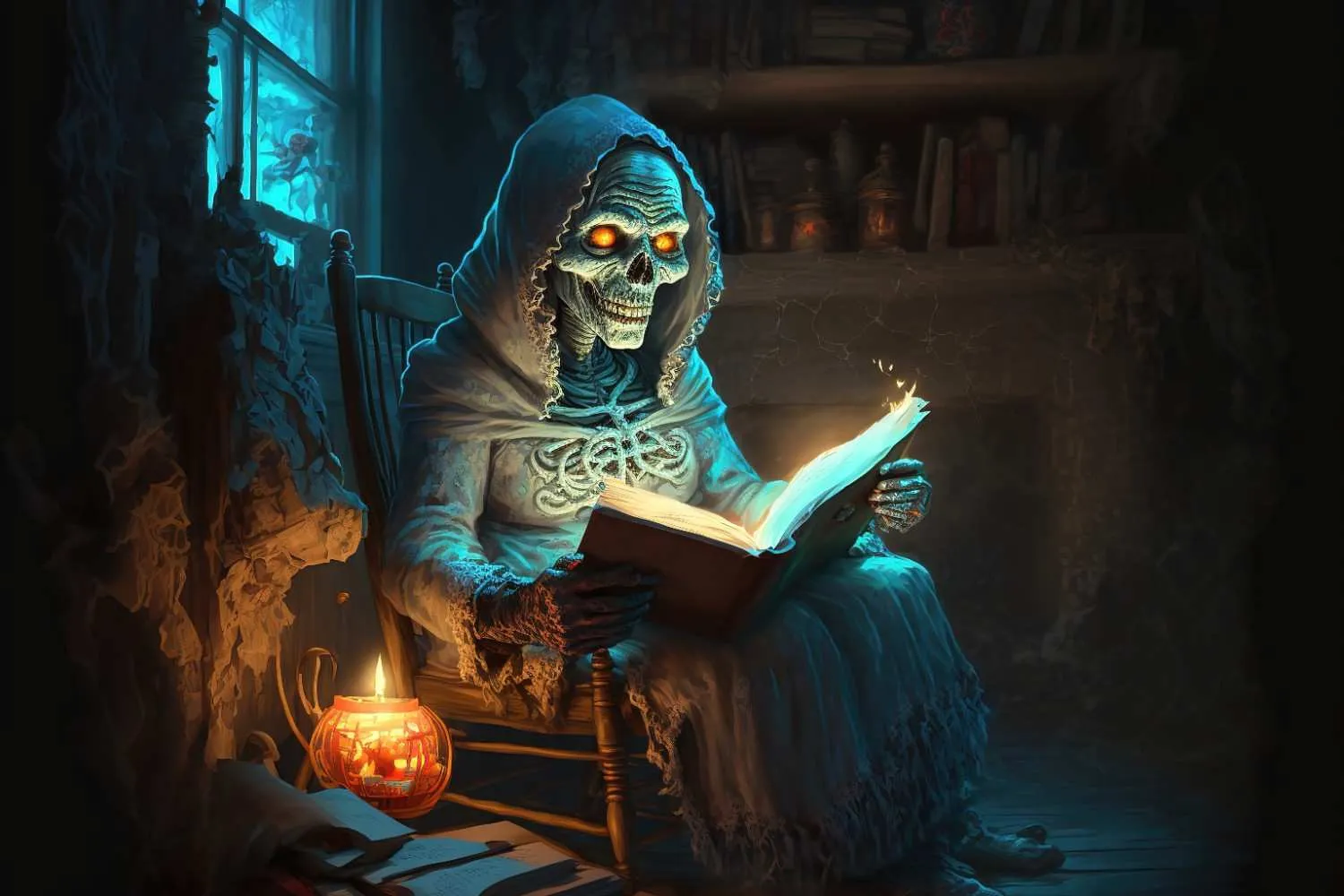
Horror fiction is growing on Amazon KDP due to rising cultural interest, real-world anxieties, and cross-genre appeal. Sales figures show a major surge, making horror one of the fastest-growing market segments for indie authors.
Cultural and Social Factors
- Real-world stress: Readers use scary stories to process heavy real-life worries and fears in a safe space.
- Media connection: Hit horror movies and streaming shows drive new fans to look for similar scary reads online.
- Genre mixing: Writers blend horror with romance, mystery, or sci-fi, which pulls in larger, mixed crowds of readers.
Publishing Advantages
- Fast release times: Indie authors can bypass traditional publishing delays and upload new horror books directly through Amazon KDP as soon as they are finished.
- Global audience: Self-publishing lets writers reach international fans instantly via digital and print-on-demand options.
Horror fiction growth Amazon KDP reflects rising reader interest, flexible digital publishing, and strong demand for focused subgenres. Readers want fresh forms of fear, yet crowded listings make weak positioning costly. Therefore, authors need a clear genre promise, accurate metadata, and professional presentation to turn this horror trend 2026 into a realistic publishing opportunity.
Key Takeaways
- U.S. horror print sales rose 7% through the first nine months of 2025.
- First-half 2026 data still shows strength in supernatural and horror YA fiction.
- KDP helps small publishers test specific horror niches in eBook and print.
- Kindle Unlimited can reward sustained reading, but it requires digital exclusivity.
- Clear covers, categories, editing, and strong openings matter in a crowded store.
What Does the Horror Fiction Growth Amazon KDP Trend Show in 2026
No public report isolates total horror sales made through KDP, so an exact Amazon growth rate would be misleading. However, the wider U.S. market offers strong evidence. According to Publishers Weekly, Circana BookScan recorded a 7% horror sales increase during the first nine months of 2025 compared with the same 2024 period.
The signal continued into 2026. According to Publishers Weekly’s review of Circana BookScan data, supernatural/horror was the only young adult fiction subcategory to record growth during the first half of 2026. As a result, authors are entering a genre with verified momentum, though not a guaranteed income stream.
Amazon also shows substantial independent publishing activity. According to Amazon KDP, the KDP Select Global Fund paid authors $67 million in June 2026 across all genres. That figure does not measure horror; instead, it shows the scale of the reading economy where horror titles compete for page-read royalties.
Why Are More Readers Choosing Horror Fiction
Horror gives readers a controlled way to experience danger and uncertainty. According to Personality and Individual Differences, a peer-reviewed study by Coltan Scrivner and fellow researchers found that horror fans showed greater psychological resilience during the COVID-19 pandemic. However, it covered horror media broadly and does not prove a benefit from reading horror.
Modern horror also covers more than monsters. Psychological horror, folk horror, body horror, and supernatural stories can examine grief, aging, isolation, technology, and family conflict. Consequently, the genre can reach readers who also enjoy mystery, historical fiction, fantasy, or literary fiction.
Publishers are responding. In 2025, Emily Bestler Books and 12:01 Films launched the horror imprint 12:01 Books. According to Publishers Weekly, its projects included novels with Netflix and Paramount film deals. Similarly, Horror Writing Services can shape a cross-genre idea without weakening its horror promise.
Why Does KDP Fit Horror Self-Publishing
KDP fits horror self-publishing because it supports narrow positioning and multiple formats without a traditional acquisition process. Authors can publish eBook and print editions, review sales reports, and revise descriptions or keywords. Therefore, a small publisher can test a precise premise such as “haunted retirement community.”
| KDP feature | Practical use for horror | Important limitation |
| Three book categories | Places a title on digital shelves | Inaccurate categories can disappoint readers |
| Kindle Unlimited | Pays a fund share based on eligible first-time pages read | The eBook must remain exclusive during each 90-day KDP Select term |
| 35% or 70% eBook royalty | Offers two pricing structures | The 70% option has pricing and territory rules |
| eBook and print formats | Serves two reading preferences | Each format needs quality checks |
Financial note. Royalty figures are informational, and earnings depend on pricing, territories, delivery costs, pages read, and sales.
According to Amazon KDP, authors may select three categories, while keywords add digital shelving signals. Specifically, a supernatural family drama should not enter an unrelated niche merely because it looks less competitive. Accurate classification helps Amazon match the book with interested readers.
Presentation carries the promise into the product page. A horror cover needs readable type, clear contrast, and subgenre-appropriate imagery at thumbnail size. Moreover, Amazon KDP requires a large, high-resolution internal eBook cover and warns that a small cover can fail quality review.
Which Horror Niches Give Authors Room to Stand Out
Specific niches give authors a clearer position than “horror” alone. Still, Amazon does not publish enough sales data to rank every niche reliably. Instead, authors should compare category pages, bestseller lists, reviews, and comparable books before choosing a direction:
- Supernatural horror built around ghosts, curses, or possession
- Psychological horror centered on unreliable perception
- Folk horror tied to place, ritual, and community rules
- Body horror focused on disturbing physical change
- Cosmic horror built around unknowable forces
- Historical horror grounded in a documented period
The right niche fits the manuscript from opening to ending. For instance, folk-horror packaging promises place, tradition, and mounting unease. Therefore, a new label cannot repair a mismatched story.
How Can Authors Compete in the Amazon Horror Market
A strong Amazon horror market plan begins with reader expectations. According to the Publishers Weekly report, Bowker figures show that U.S. self-published print and eBook output rose 38.7% to more than 3.5 million titles in 2025. Consequently, wider publishing access also means greater competition.
Authors can respond with a careful release process:
- Define the threat, victim, setting, and emotional promise.
- Study ten comparable titles and note their categories, covers, and reviews.
- Build tension early, then make each scene change the danger or available choices.
- Use a professional edit and proofread every format separately.
- Test the description and thumbnail before release.
- Review KDP reports, then adjust metadata without mislabeling the book.
Fast scenes also need clear cause and effect. A chase becomes tiring when motion replaces consequence; instead, each beat should close an option or expose a risk. Before final revisions, How to Write Fast Paced Action Sequences That Readers Cannot Put Down can help writers sharpen action without losing character logic.
FAQs
Is horror fiction growing on Amazon KDP
Yes, available evidence points to growth, but Amazon does not publish a complete horror-only KDP sales total. According to Circana BookScan, U.S. horror sales rose 7% through September 2025. In addition, supernatural/horror was the only growing YA fiction subcategory in the first half of 2026.
Is horror profitable for self-published authors
Horror can earn money, but genre growth does not guarantee profit for any title. Revenue depends on reader fit, price, cover, editing, advertising cost, reviews, and read-through across a series. Therefore, royalty estimates should be treated as planning inputs, not promised financial results.
Should a horror eBook join KDP Select
KDP Select can suit a horror eBook when the author values Kindle Unlimited page reads and Amazon promotions. However, according to Amazon KDP, enrollment lasts 90 days and requires Kindle-format exclusivity during that term. Authors seeking wide eBook distribution should compare that restriction before enrolling.
Which horror subgenre works best on Amazon
No verified public dataset identifies one horror subgenre as the permanent winner on Amazon. Instead, authors should match the category to the manuscript and study recent comparable titles. Psychological, supernatural, folk, body, cosmic, and historical horror each serve different reader expectations and should not be treated as interchangeable labels.
How many KDP categories can a horror author choose
According to Amazon KDP, an author can select three book categories during title setup. Categories work like digital bookstore shelves, while keywords provide more specific discovery signals. Therefore, each choice should describe the story accurately rather than target an unrelated shelf with weaker competition.
Conclusion
Verified sales gains, broader subgenres, and accessible digital tools explain horror fiction growth Amazon KDP. However, the opportunity comes with heavy competition and limited public Amazon genre data. Authors who pair a distinct fear concept with accurate categories, professional editing, and a readable cover will have a stronger foundation for publication.
Finally, Canadian Ghostwriters can help shape, edit, and prepare a horror manuscript. The goal is not to chase a label, but to create the focused experience horror fans expect.