
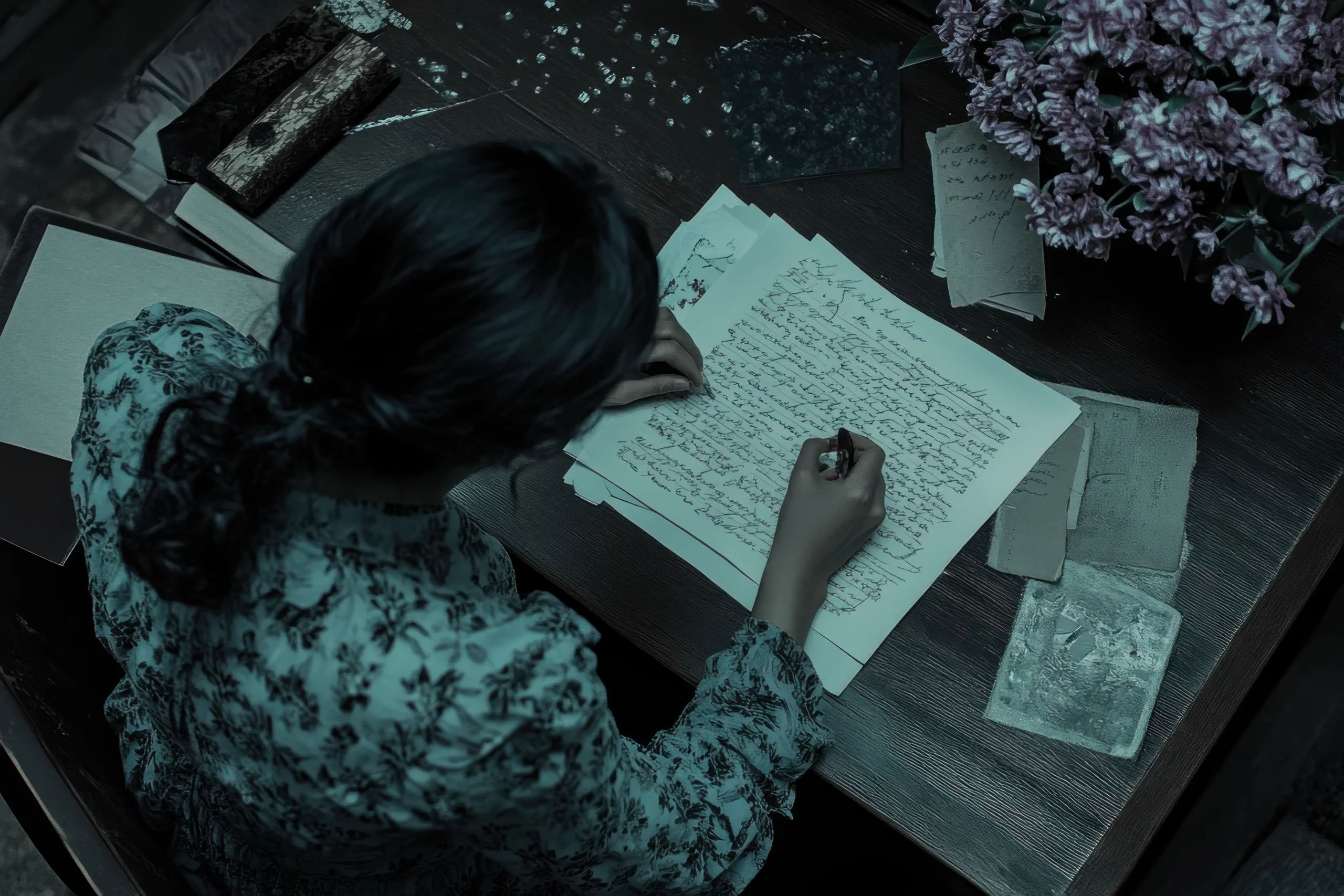
Writing a compelling life story does not require a professional background in writing; it requires honesty, reflection, and structuring your memories to engage a reader, similar to a novel. By focusing on themes, specific anecdotes, and emotional truth rather than an exhaustive timeline, you can create an impactful narrative.
Here is a step-by-step guide to writing your life story:
1. Shift from “Chronology” to “Theme”
- Don’t start with birth: An autobiography covers everything; a memoir (which is usually more engaging) focuses on a specific theme or turning point.
- Identify a theme: Choose a focus, such as “overcoming adversity,” “a career journey,” or “finding my family”.
- Select “Big Rocks”: Brainstorm 10–15 key turning points—life-changing moments, positive or negative—that define your theme.
2. Outline Using a Story Structure
Even a true story needs a narrative arc to hold interest.
- Three-Act Structure:
- Act 1 (The Setup): Life before the big change.
- Act 2 (The Confrontation): The challenges, mistakes, and learning experiences.
- Act 3 (The Resolution): How you changed and where you are now.
- Start late: Start in the middle of a dramatic scene, not with a slow introduction.
3. Use Fiction Techniques (Without Fictionalizing)
- Show, don’t tell: Instead of saying “I was sad,” describe the scene: “I sat staring at the cold coffee, watching the rain blur the window”.
- Use sensory details: Record the sights, sounds, smells, and textures of your memories to bring them to life.
- Include dialogue: Recreate conversations as you remember them to make scenes vivid.
4. Overcome the “Not a Writer” Hurdle
- Write how you talk: Authentic voice is more compelling than forced, professional prose.
- Record your stories: If writing feels like homework, use a recording app on your phone to tell your stories out loud, then transcribe them using services like Otter.ai.
- Write in chunks: Focus on writing one anecdote (a 2–3 page scene) at a time, rather than thinking about the whole book.
5. Research and Validate
- Fact-check memories: Look through old journals, photos, or videos from the period you are writing about.
- Interview others: Ask family or friends for their perspective on events to fill in gaps.
6. Make it Vulnerable and Honest
- Be honest: Readers connect with struggle and growth, not a perfect hero.
- Share your feelings: Describe what you were thinking and feeling in the moment, not just what happened.
Practical Tip: Start by making a “memory list” of pivotal moments and simply start writing the one that feels the most vivid. Many people search to write a life story not a writer because they have lived through moments worth saving. However, they may feel scared of the blank page. They may think only a trained author can write a book, memoir, or short bio.
That is not true. A nonprofessional writer can still write a strong personal memoir by using clear steps, real memories, and simple storytelling. A memoir often focuses on meaningful events from life, not every single detail from birth to today. Britannica explains that memoir is based on personal observation and experience, while Purdue OWL notes that memoir often focuses on striking or life-changing past events. (Encyclopedia Britannica)
This guide explains how a person can start, shape, and finish a life story with or without life story writing help.
Write your story anyway
A person does not need to write like a novelist to begin. The first goal is not a perfect draft. The first goal is to collect true moments.
A simple start can look like this:
- A childhood memory
- A first job
- A hard family moment
- A move to a new city
- A lesson learned later in life
This is where writing a life story, not a writer, becomes useful. The person only needs to write what happened, who was there, what changed, and why the memory still matters.
Moreover, the story can begin through speech. Some people record voice notes before writing. Others talk to a family member. A personal historian or ghostwriter for life stories can also help turn spoken memories into clean chapters.
Firstly what is the difference between memoir and autobiography
A memoir usually focuses on key moments, themes, or turning points. An autobiography usually covers a person’s full life in order. Britannica also notes that memoirs often deal with remembered people, events, and experiences that feel most important. (Encyclopedia Britannica)
This matters because a life story does not always need to include every year. A person may turn your life story into a memoir by focusing on one main theme, such as courage, family, faith, work, grief, or starting over.
| Type | Main focus | Best for |
| Memoir | Key memories and meaning | A focused life lesson |
| Autobiography | Full life from start to present | A full personal record |
| Short story | One shaped event | A small but strong scene |
| Fiction | Made-up people or events | Creative stories |
| Novels | Long made-up story | Full invented world |
Start writing your life story by breaking it down into stepping stones and turning points
A good life story needs order. It does not need fancy words. It needs clear movement.
The writer can list turning points first. These are moments where life changed.
Examples include:
- The first time the person felt proud
- The day a family problem changed the home
- A mistake that taught a lesson
- A job that shaped the person’s future
- A loss that changed how life felt
Purdue OWL says creative nonfiction depends on truth and story structure, including plot movement and a clear retelling of life experience. (Purdue OWL)
Adding detail and finding your theme
Details make a memory feel real. A person can use old proof to remember more clearly.
Helpful items include:
- Photographs
- Old letters
- Newspaper articles
- School papers
- Work records
- Family recipes
- Travel notes
The theme is the main meaning of the story. For example, a student’s story may not be only about school. It may be about patience. A parent’s story may not be only about work. It may be about sacrifice.
This is also where a ghostwriter to capture your voice can help. The helper should not change the person’s truth. The helper should make the words sound clear and natural.
My favorite writing prompts to help start
These prompts can help a nonprofessional writer begin:
- I remember the day when
- I do not remember everything, but I remember
- The first time I felt brave was
- I believe my life changed when
- My family never forgot
- I wish future children knew
These prompts work because they do not ask for a full book at once. They ask for one true scene.
Choose a simple life story structure
There are many ways to organize your life stories. The best structure depends on the goal.
The chronological approach
This tells the story from beginning to end. It works well for family records and full life books.
The thematic approach
This groups memories by themes. For example, chapters may focus on family, work, faith, travel, and lessons.
The defining moments approach
This uses life-changing moments as the main chapters. It works well for a personal memoir.
The memoir in moments approach
This uses small scenes from daily life. It can include a kitchen memory, a school day, a hospital visit, or a quiet talk with a parent.
The letter to the future approach
This is written like a message to children, grandchildren, students, or friends. It works well when the story is meant as a legacy.
What are the 5 C’s of storytelling
One common storytelling model uses character, context, conflict, climax, and closure. These parts help a story feel complete. (Private Directors)
For a life story, the 5 C’s can mean:
- Character means the person in the story
- Context means where and when it happened
- Conflict means the problem
- Climax means the turning point
- Closure means what changed after
A strong memoir scene may be simple. A student walks into a new school. The hallway feels loud. The student feels alone. Then one person says hello. Years later, that small kindness still matters.
What are the 5 C’s of writing
For life writing, the 5 C’s of writing can be clear, correct, connected, complete, and calm.
Clear writing uses short sentences. Correct writing checks facts and names. Connected writing links one memory to the next. Complete writing gives enough detail. Calm writing avoids forced drama.
The Professional writing Wikipedia page explains professional writing as writing done for work or reward. It also says such writing often helps people communicate, inform, persuade, or guide action. (Wikipedia) However, a life story can still be strong without formal professional training.
What is the 90 10 rule for authors
The 90 10 rule is not a fixed publishing law. For life writing, it can mean this. Spend 90 percent of the effort collecting, shaping, revising, and checking the story. Spend 10 percent worrying about being perfect.
This helps because many new writers stop too early. They think the first draft must sound like a finished Book. It does not. A first draft only needs to exist.
How many books do you have to sell to make 100000
There is no single number. It depends on price, royalty, printing cost, and sales channel. Amazon KDP offers 35 percent or 70 percent royalty options for eligible ebooks. (Kindle Direct Publishing) The Authors Guild reported that full-time authors had a median book income of $10,000 in 2022, so $100,000 from books is not easy for most authors. (The Authors Guild)
A simple estimate looks like this:
| Earning per book | Copies needed for $100,000 |
| $2 | 50,000 books |
| $5 | 20,000 books |
| $10 | 10,000 books |
This is why editing, cover design, reviews, and publishing plans matter.
How to start a story about your life examples
A person can start with one clear line.
Example for family and friends
“Maria first learned courage in her grandmother’s kitchen, where every hard day ended with tea and a quiet prayer.”
Example as a student
“On the first day of seventh grade, Daniel sat in the back row because he did not know anyone.”
Example in 250 words
A short life story can cover where the person came from, one hard moment, one lesson, and one hope for the future.
These writing life story examples show that the opening does not need to be grand. It only needs to feel true.
How to write a book about your life and get it published
A person can follow this path:
- Choose the main theme.
- Make a chapter list.
- Write rough scenes.
- Check names, dates, and places.
- Get editing help.
- Choose self-publishing or a publisher.
- Prepare cover, layout, and book description.
A person may use Memoir & Autobiography support, Ghostwriting Services, or choose to hire a memoir ghostwriter when the story is important but hard to shape alone.
FAQs
Can someone write life story not a writer
Yes. A person can write a life story, not a writer, by starting with memories, using short scenes, and getting life story writing help when needed.
Is a personal memoir always a full life story
No. A personal memoir can focus on one time, lesson, event, or theme.
Can a ghostwriter for life story change the story
A good ghostwriter for a life story should keep the truth and voice of the person. The helper improves structure and clarity.
Is writing your life story for family and friends worth it
Yes. A life story can preserve family history, lessons, names, places, and memories for future generations.
Conclusion
A person does not need to be famous or trained to write a meaningful life story. The best start is one honest memory. Then the writer can add details, choose a theme, and place scenes in a clear order.
The idea of writing a life story, not a writer, is not a weakness. It is a starting point. With patience, prompts, old records, and the right help, a nonprofessional writer can create a memoir, family book, or short bio that lasts.